

Dr Hellen Mbaya, Agriculture and Regulatory Advisor at the Centre for Pesticide Suicide Prevention (CPSP), reflects on her journey from national biosafety regulation in Kenya to international work supporting pesticide regulation and public health.
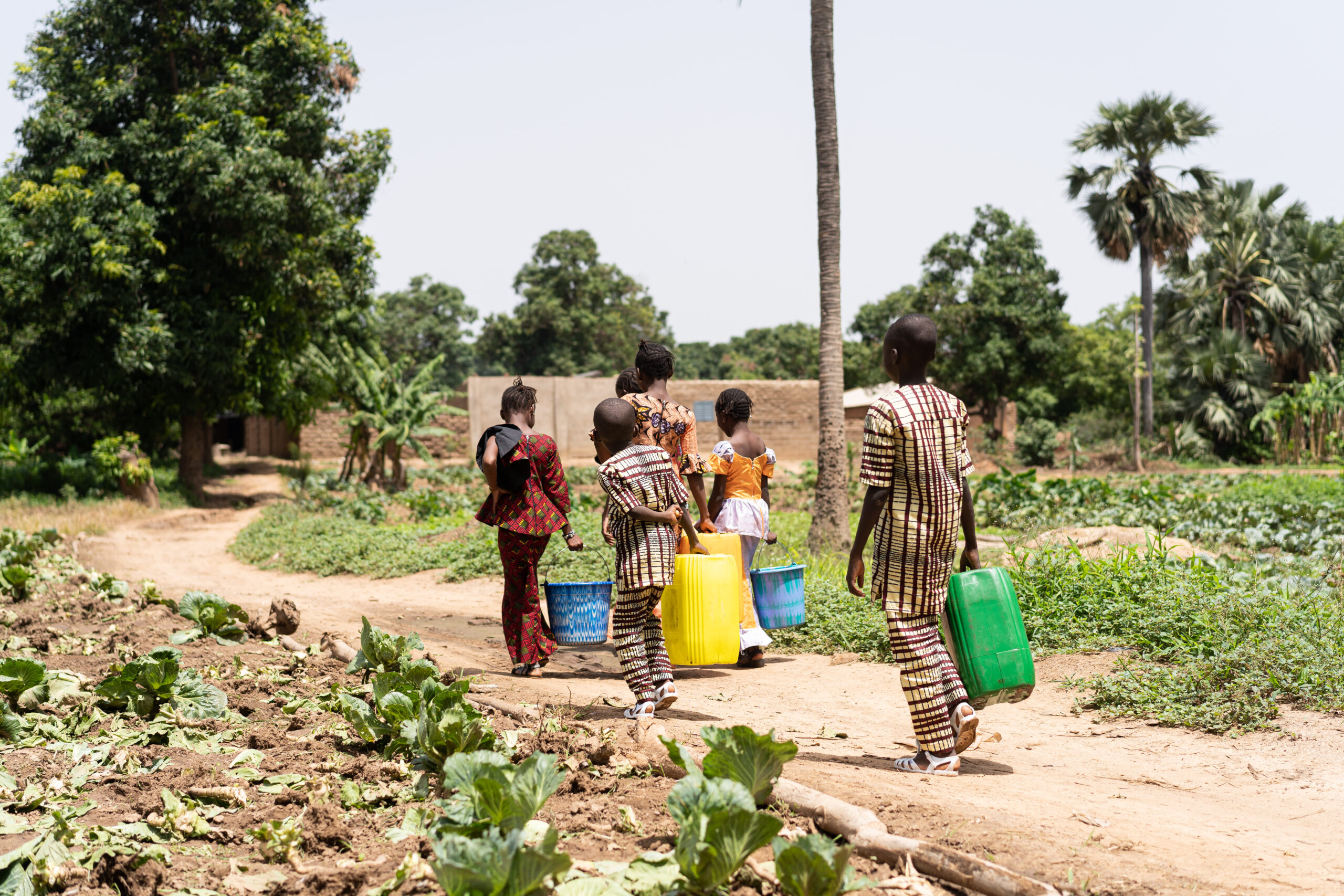
Image from Adobe Stock. Credit: Riccardo Niels Mayer
My Roots: Seeds of Inspiration
Growing up in Meru, Kenya, I am the fourth born in a family of five and my grandparents were small-scale farmers so I was surrounded by agriculture growing up.
My grandparents practiced mixed farming – growing tea and coffee while keeping goats, sheep, and dairy cows.
I very much enjoyed visiting them as this allowed me to venture around the farm and explore farming activities.
Those visits sparked a curiosity about farming systems, food, and the environment that would shape my future.
Discovering Microbiology and Food Systems
My journey towards studying microbiology began with an unexpected inspiration.
A family friend, now a retired surgeon, spent his weekends educating church members and young people about HIV/AIDS at the time when this disease was an epidemic in Kenya.
During one of those awareness sessions, I watched a video featuring a scientist with the title of microbiologist and this made me curious about their invisible world of microbes and their roles in disease, health and food.
I decided to study microbiology for my undergraduate degree as this would allow me to research and understand infectious diseases.
While my initial interest was infectious diseases, my studies exposed me to different branches of microbiology and it was food microbiology that captured my attention as it sits at the intersection of science, public health and food security.
After completing my degree, I joined Kenya’s National Biosafety Authority as a Biosafety Officer – a role that marked my entry into the regulatory world.
Working as a Biosafety Officer in Kenya
My work at the National Biosafety Authority focused on regulating genetically modified organisms (GMOs) to ensure their safe use in research, trade, and agriculture.
This involved reviewing applications to import, export, or conduct research using GMOs, and inspecting laboratories and research institutions to confirm compliance with biosafety requirements.
A significant part of the job included visiting confined field trials where GM crops were being tested under Kenyan environmental conditions. Before planting, we trained field staff on biosafety protocols to ensure strict compliance.
We also engaged directly with the public at agricultural shows organised by the Agricultural Society of Kenya (ASK) and local governments, answering questions and explaining the Authority’s mandate.
Beyond research oversight, biosafety officers were stationed at selected border points to inspect consignments entering the country and we conducted market surveillance – sampling commodities such as maize and soybeans to check for unapproved GMO products.
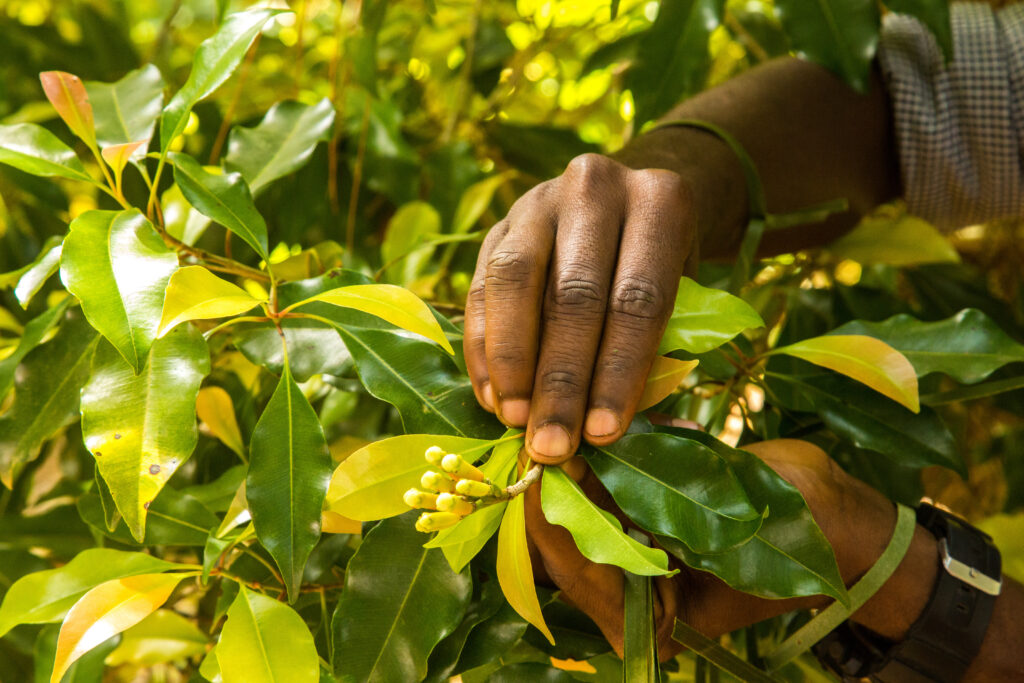
Image from Adobe Stock: Credit: Bob
Regulatory Challenges: Capacity, Politics, and Public Perception
Working in biosafety regulation came with significant challenges.
One significant constraint was limited technical capacity, particularly the lack of equipment to test for GMOs at border points.
In 2012, Kenya imposed a GMO import ban and thereafter biosafety officers from NBA-Kenya were deployed to different border points to ensure GMOs did not enter the country.
We didn’t have equipment to enforce this so we had to rely heavily on documentation provided by clearing agents rather than on-site testing.
On occasions where we conducted market surveillance testing, it often required outsourcing to other agencies, such as the Kenya Plant Health Inspectorate Service (KEPHIS), which came at a significant cost.
Another constraint was political factors. GMOs are a political issue worldwide, and this was no different in Kenya.
One contributing factor was the sensitivity of some of the crops that researchers wanted approved for commercial release, such as maize, which is a staple and highly important crop in Kenya.
In addition, agriculture is the main source of livelihood for the majority of Kenyans and many people were concerned about the potential implications of introducing GMOs on their livelihoods.
As a result, politicians were often hesitant to make decisions on GMOs for fear of losing their voting base.
Public awareness was also a major constraint.
Low levels of literacy, combined with the spread of misinformation, contributed to low public acceptance of agricultural biotechnology, despite its potential benefits
From National Regulation to International Work
Today, I work in an international setting with CPSP and I see both similarities and differences between the regulatory landscape in Kenya and international organisations.
Resource constraints exist everywhere, making prioritisation essential.
However, international organisations often have greater access to technical expertise and specialist staff and there is less political interference, compared to national regulatory authorities which must align closely with government policy.
Some of the best approaches and practices, I carried forward from Kenya is the importance of developing relationships and partnerships with a wide range of stakeholders.
At the NBA, we worked closely with organisations like the FAO to develop guidelines on food safety assessment.
At CPSP, we have similar partnerships again with FAO and others to address issues related to pesticide poisoning and regulations.
Shifting Focus: From GMOs to Highly Hazardous Pesticides
My regulatory background in Kenya has shaped my current role as an Agriculture and Regulatory Advisor at CPSP.
Having worked as an officer within a national authority, I understand the challenges and realities regulators face when enforcing laws such as limited resources, political pressure, and capacity gaps.
This perspective allows me to relate to their experiences, engage more effectively with regulators across different countries and make recommendations tailored to their contexts.
Also, as part of my work with NBA-Kenya, I engaged with different stakeholders both locally and internationally and also interacted with the public through trainings and public forums. I’m able to apply the skills I gained back then to my current role at CPSP.
While my focus has shifted from GMOs to highly hazardous pesticides (HHPs), the underlying principles remain the same: evidence-based regulation, risk management, and protection of human health and the environment.
I also see opportunities for CPSP strategies to benefit Kenya such as adopting regional approaches to GMO regulation.
As with pesticides, banning a substance at a national level can be difficult to enforce due to its availability in neighbouring countries.
Adopting a regional approach makes enforcement more effective at the country level.
Leading Country-Level Work and Building Capacity
At CPSP, I find all aspects of my work interesting and impactful.
I lead country-specific projects to understand pesticide poisoning and ensure that countries use evidence as a basis for making decision on HHPs to help reduce pesticide suicides and poisoning.
This work begins with conversations with pesticide registrars and relevant ministries to understand country-specific challenges.
We then support them to develop concept notes and plans and data collection aimed at some of the issues identified in the country.
The government ministries own and lead on the work of data collection in their countries which helps them make informed evidence-based decisions on regulating HHPs and saving lives.
Countries differ in their levels of development of regulatory frameworks for pesticide regulation and management.
Establishing a community of practice (CoP) for pesticide regulators by the University of Edinburgh and University of Cape Town has created a platform for countries to learn from each other.
Also, some of the challenges experienced by regulators are similar so having a forum to share and learn from each other is important.
Training regulators is another key part of my work. Using tools such as the FAO Pesticide Registration Toolkit, we support countries in identifying HHPs based on FAO/WHO criteria, assessing their uses, and implementing appropriate risk-mitigation measures.
Where bans or phase-outs are recommended, we also help identify safer alternatives to ensure farmers can continue without affecting their productivity.
I am particularly proud of this work because it ensures decisions are grounded in local evidence and supported by practical regulatory tools.
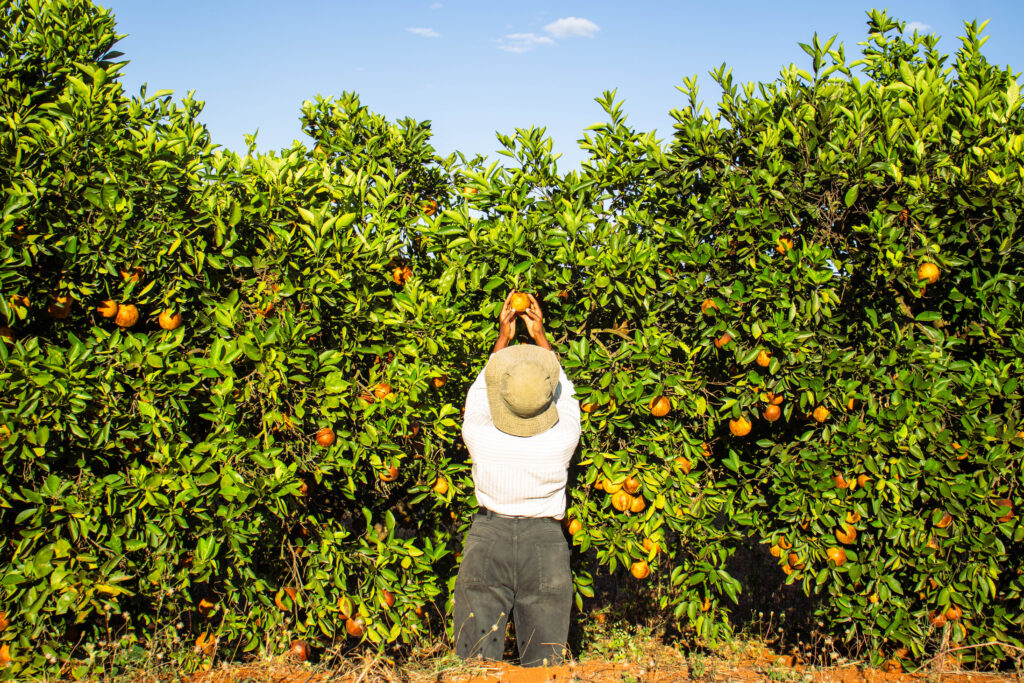
Image from Adobe Stock. Credit: Gloria
Measuring Impact and Looking Ahead
Measuring impact is an ongoing process. In some countries, we are partnering with local NGOs to study the effects of pesticide bans on agricultural yields and pesticide-related harm.
These studies are critical for understanding whether regulatory interventions are achieving their intended outcomes.
Looking ahead, I believe policy reform and cross-border collaboration hold the greatest promise.
Regional approaches to pesticide regulation can prevent banned substances from re-entering countries through neighbouring markets, addressing a major enforcement gap.
Advice for Future Science Policy Professionals
For anyone considering a career path from national regulation into international policy and capacity-building, my advice is simple: trust the process.
Science policy may not be the most visible career path, but it plays a vital role across sectors and scales.
Reflecting on the Journey
Looking back, I am proud of the entire journey – from my foundational work in Kenya, to earning my PhD in Agriculture and Food Security, to my current international role.
Each stage has built on the last, equipping me with the skills and perspective needed to contribute meaningfully to global public health and agricultural sustainability.
Outside of work, I enjoy travelling, hiking with friends, dancing and swimming – activities that help me recharge and stay grounded.
